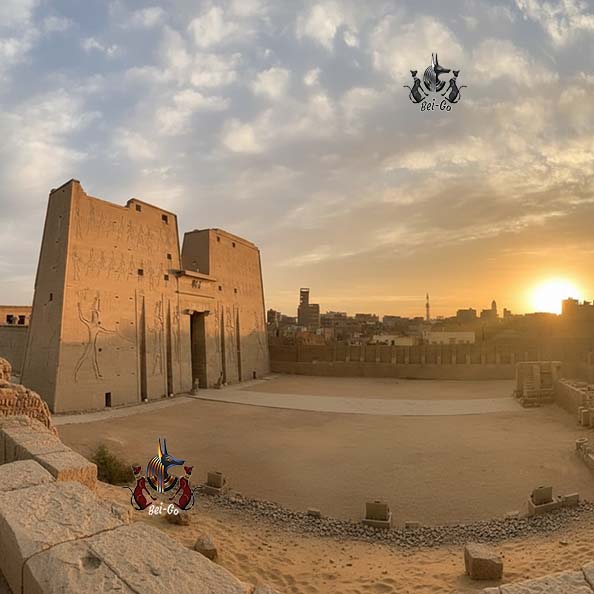


Standing majestically on the western bank of the Nile between Luxor and Aswan, the Temple of Edfu represents one of ancient Egypt's most extraordinary architectural achievements. Built during the Ptolemaic period between 237 and 57 BC, this remarkably preserved sanctuary dedicated to Horus, the falcon-headed god, offers travelers an unparalleled journey into Egypt's glorious past. Unlike many ancient monuments where imagination must fill the gaps left by time, Edfu Temple stands nearly complete with its towering pylons, intricate hieroglyphics, and sacred chambers intact. For centuries, desert sands buried and protected the temple after pagan worship was banned, preserving its grandeur for modern visitors. Today, walking through Edfu's massive gateway feels like stepping through a portal into ancient times, making it an essential destination for anyone exploring Egypt's Nile Valley treasures and seeking authentic connections with pharaonic civilization.
Egypt's Most Magnificent Ptolemaic Masterpiece
The Ptolemaic Legacy and Historical Significance
The Temple of Edfu stands as a testament to the Ptolemaic dynasty's dedication to Egyptian traditions, even as Greek rulers governed the land. Construction began on August 23, 237 BC, under Ptolemy III Euergetes, and continued for nearly 180 years until completion under Ptolemy XII Neos Dionysos, father of the legendary Cleopatra VII. Built atop an earlier New Kingdom structure, the temple followed traditional pharaonic architectural principles in design, scale, and decoration, demonstrating the Ptolemaic rulers' respect for ancient Egyptian culture. The remarkably preserved hieroglyphic inscriptions covering the walls provide invaluable information about ancient Egyptian religion, mythology, and temple rituals, comparable to other significant Ptolemaic sanctuaries like the Temple of Kom Ombo along the Nile. These detailed carvings have helped archaeologists understand temple construction techniques and religious practices that would otherwise remain mysteries, making Edfu an irreplaceable resource for understanding Egypt's Ptolemaic period and its cultural continuity throughout centuries of changing dynasties.
Architectural Marvels That Define Sacred Design
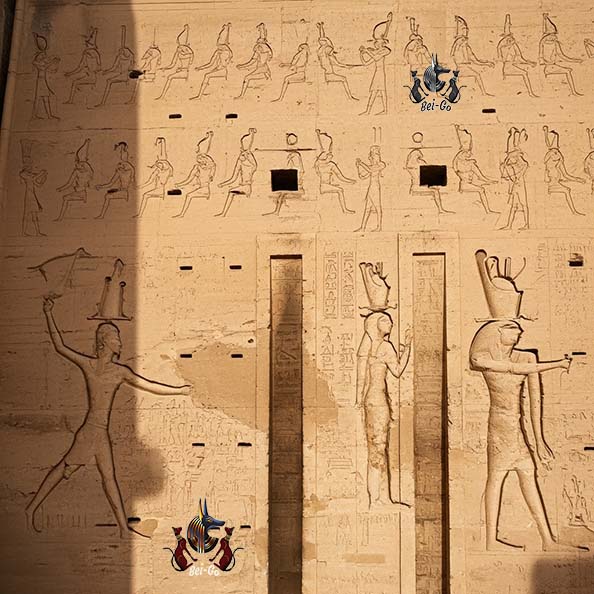
Edfu Temple's architectural grandeur begins with its massive entrance pylon, standing 36 meters high and adorned with colossal reliefs depicting Ptolemaic pharaohs vanquishing enemies before the gods. Beyond the pylon lies the great court, surrounded by columns with elegant lotus and palm capitals that create a harmonious transition between the earthly and divine realms. The hypostyle hall, featuring twelve towering columns supporting an intact ceiling blackened by centuries of incense smoke, leads visitors deeper into the temple's sacred spaces. According to Egypt's Ministry of Tourism and Antiquities, the temple's design follows the traditional Egyptian architectural principle of progression from light to darkness, from public to private, symbolizing the journey from the mortal world toward divine presence. The sanctuary of Horus, located at the temple's heart, once housed the sacred golden statue of the falcon god. Throughout the complex, astronomical ceilings, hidden chambers, and perfectly preserved wall reliefs demonstrate the sophisticated engineering and artistic excellence of Ptolemaic builders.

Ready to Experience This?
Our curated tours bring these destinations to life with expert guides
Explore Our ToursThe Horus Mythology Experience
The Temple of Edfu serves as a magnificent stone book telling the eternal story of Horus, son of Isis and Osiris, who avenged his father's murder by defeating the chaos god Seth. Throughout the temple walls, detailed reliefs depict this legendary battle, showing Horus in various forms—as a falcon, as a man with a falcon head, and as the divine pharaoh protecting Egypt. Two imposing granite falcon statues guard the entrance, welcoming visitors into Horus's sacred domain and symbolizing the god's protective power. The temple's inscriptions describe the annual Festival of Victory, when priests would reenact Horus's triumph through dramatic rituals that united the community in celebration. These mythological scenes aren't merely decorative; they represent the ancient Egyptian understanding of cosmic order, divine kingship, and the eternal struggle between good and evil. For modern travelers, these perfectly preserved reliefs offer an intimate glimpse into how ancient Egyptians visualized their gods and understood their relationship with the divine, making mythology tangible and accessible across millennia.

Visiting Edfu Temple - Essential Travel Information
Located approximately 115 kilometers south of Luxor and 105 kilometers north of Aswan, Edfu Temple is conveniently accessible for travelers exploring Upper Egypt. Most visitors experience the temple as part of a Nile cruise between Luxor and Aswan, typically stopping during morning or afternoon hours when lighting conditions beautifully illuminate the ancient carvings. The temple is open daily from 6:00 AM to 5:00 PM during summer and 6:00 AM to 4:00 PM during winter, with ticket prices approximately 450 Egyptian pounds for foreign visitors. From the Nile, traditional horse-drawn carriages transport visitors through Edfu town to the temple entrance, offering an authentic Egyptian experience. The journey takes about 10-15 minutes through bustling local streets. Independent travelers can reach Edfu by train from Luxor or Aswan, though cruise visits offer more convenient timing and transportation. Early morning visits provide cooler temperatures and fewer crowds, allowing more contemplative exploration of the temple's magnificent spaces and intricate details without the midday heat.

Must-See Highlights and Visitor Experiences
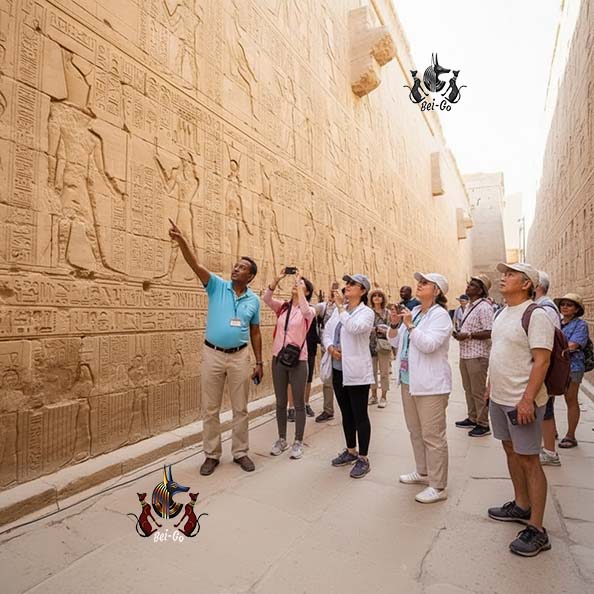
Exploring Edfu Temple reveals countless treasures that captivate history enthusiasts and casual visitors alike. The mammoth pylons decorated with battle scenes between pharaohs and enemies immediately command attention, while the open courtyard offers perfect perspectives for photography capturing the temple's massive scale. Inside the hypostyle hall, the soot-blackened ceiling preserves evidence of ancient incense ceremonies, creating an atmospheric connection to religious practices performed two millennia ago. The sanctuary of Horus contains a granite naos where the god's statue once resided, and the surrounding chapels display remarkably preserved colors in their ceiling decorations. Don't miss the nilometer on the temple's exterior, an ancient device for measuring Nile flood levels that was crucial for agricultural predictions. Many travelers benefit from hiring knowledgeable local guides who illuminate the complex hieroglyphic stories and architectural symbolism that might otherwise go unnoticed. Bei-Go arranges expert Egyptologist-led tours that transform temple visits from simple sightseeing into profound educational experiences, ensuring visitors understand the historical context and mythological significance behind every carved surface and sacred chamber.
Planning Your Perfect Edfu Temple Experience
Incorporating Edfu Temple into your Egyptian itinerary creates opportunities for richer regional exploration combining multiple historical treasures. The temple pairs naturally with visits to Aswan, located just two hours south, where travelers can explore Philae Temple, the Aswan High Dam, and vibrant Nubian culture alongside other ancient wonders. Most comprehensive Nile itineraries include Edfu alongside Luxor's Valley of the Kings and Karnak Temple, creating a complete Upper Egypt experience spanning different historical periods and architectural styles. For optimal photography, plan visits during golden hour—early morning or late afternoon—when slanting sunlight dramatically highlights the relief carvings and creates stunning shadows across the ancient stone. Comfortable walking shoes are essential as the temple complex requires considerable exploration on foot. Working with experienced travel specialists like Bei-Go ensures seamless logistics, expert guidance, and thoughtfully paced itineraries that maximize your Egyptian adventure while respecting the profound historical significance of these magnificent ancient sites that continue inspiring travelers from around the world.