Facebook
Facebook
The Egypt Tourist Map That Transforms Your Journey: 7 Unmissable Destinations from Cairo to Abu Simbel

The Egypt Tourist Map That Transforms Your Journey: 7 Unmissable Destinations from Cairo to Abu Simbel

Related Tours Want to see this place for yourself?

Cairo and the Pyramids: The Starting Point of Every Egypt Map

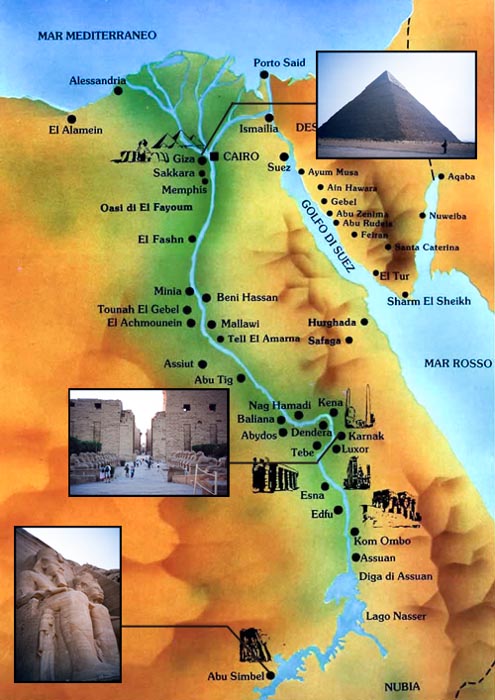
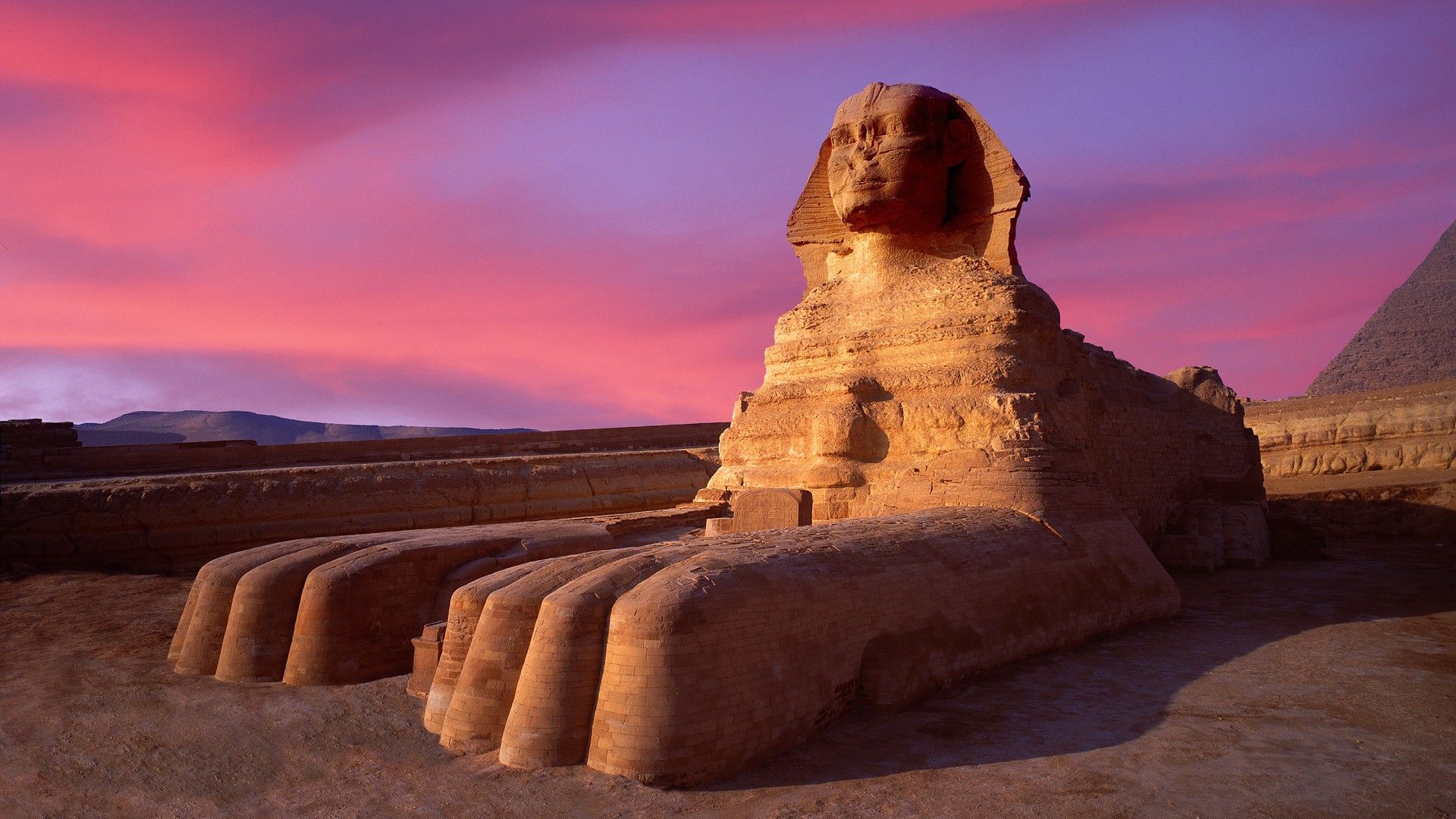
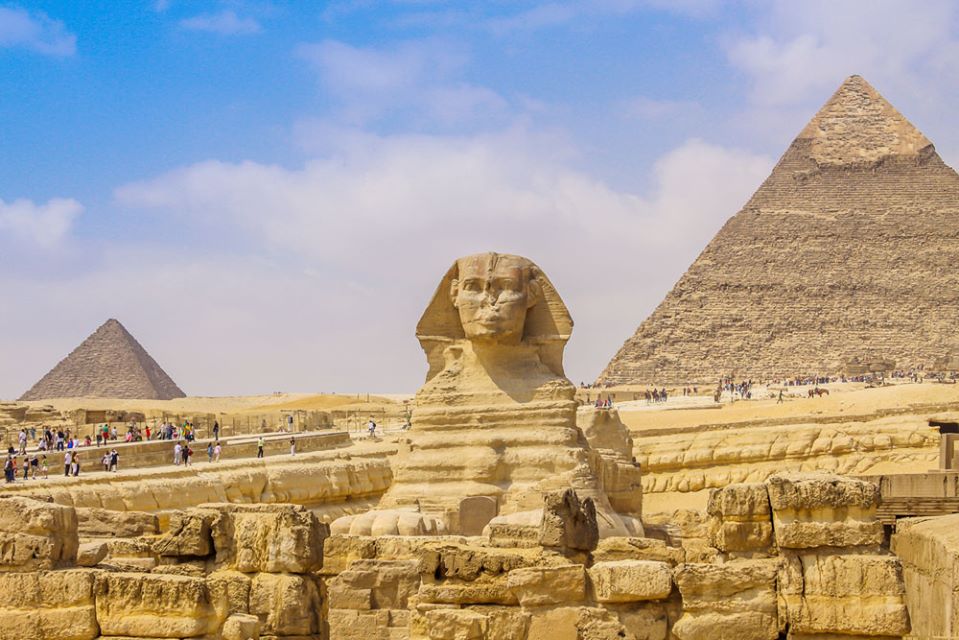
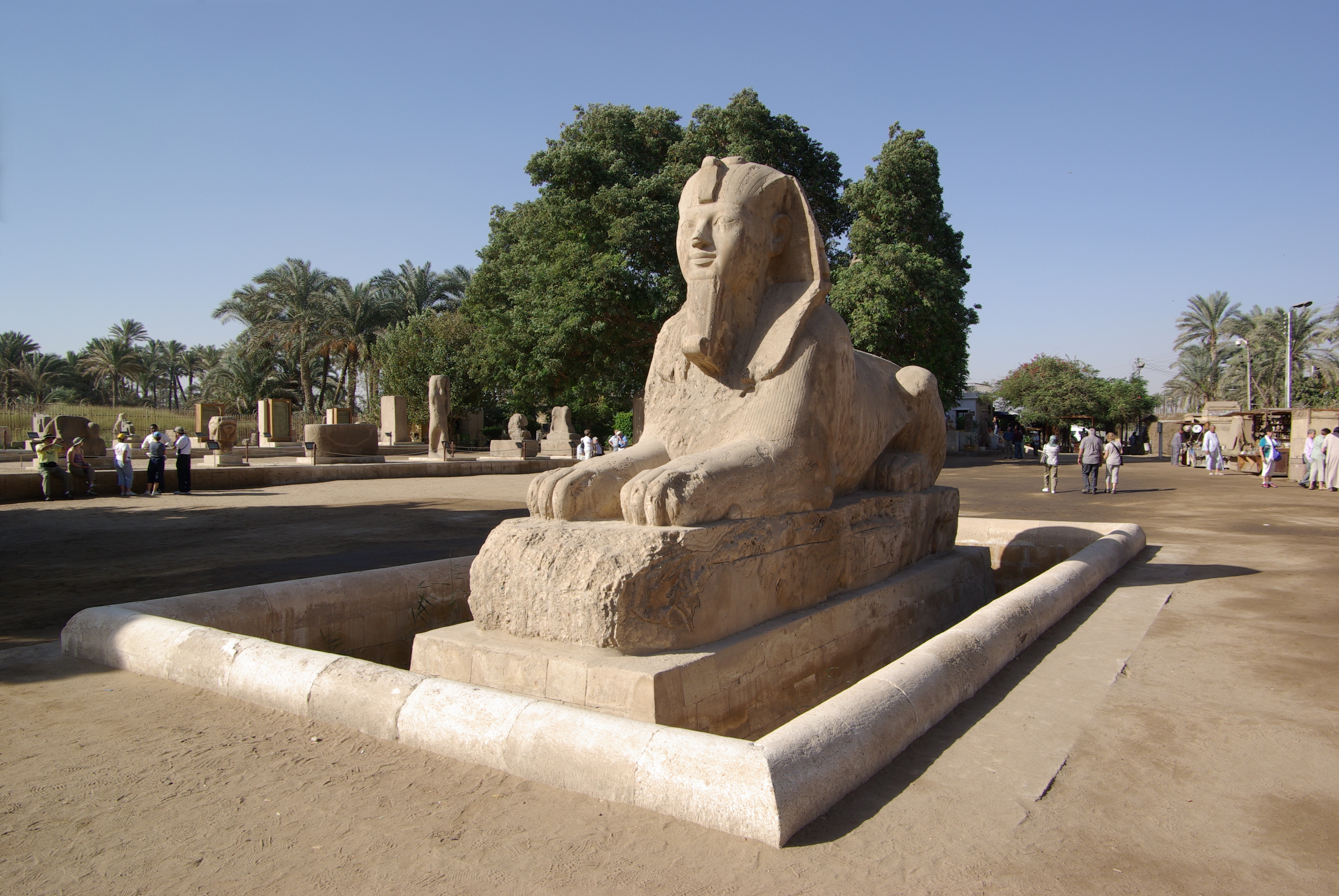
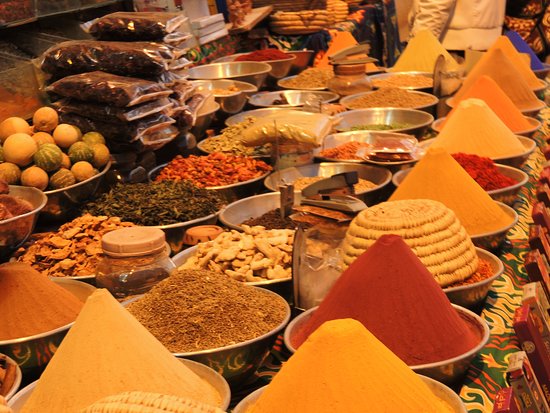
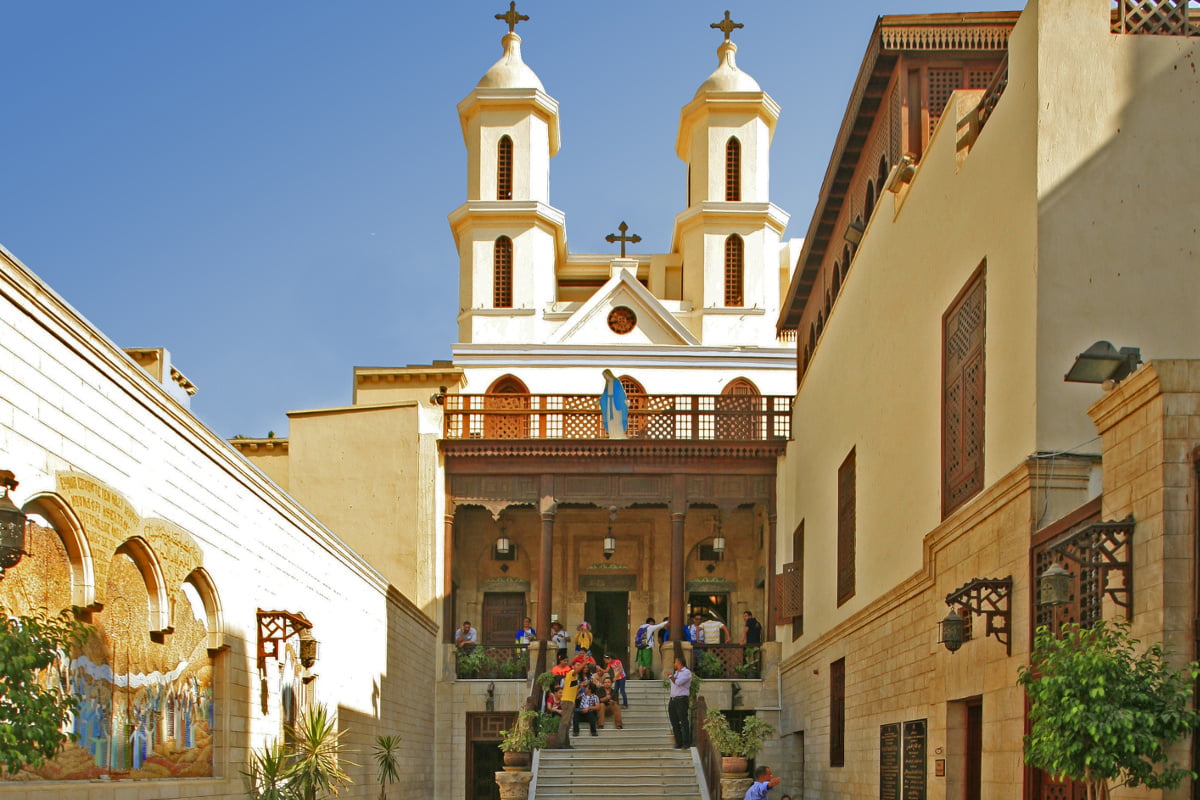
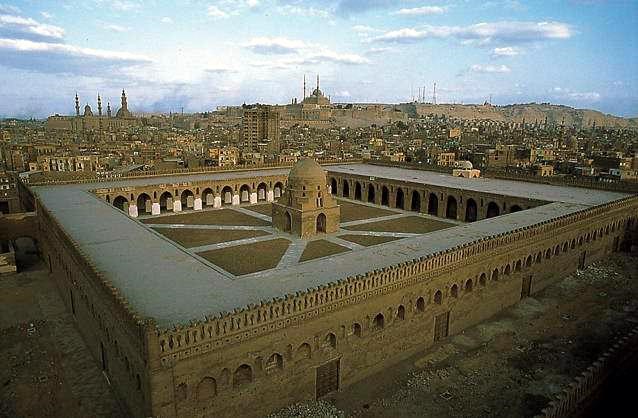
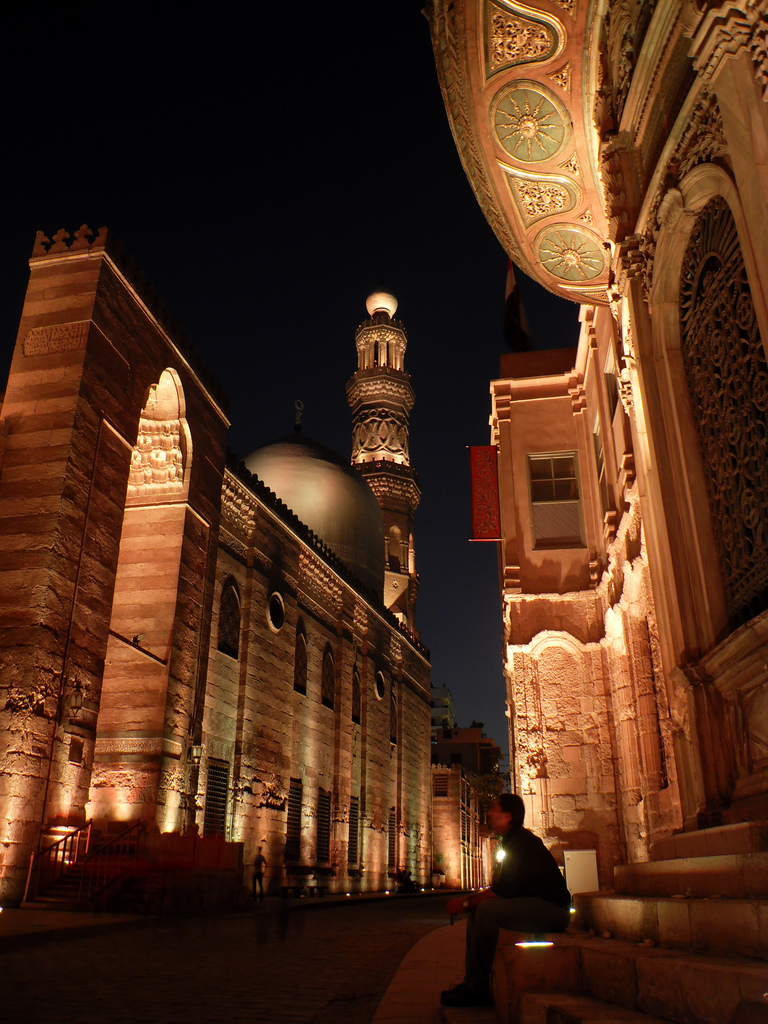
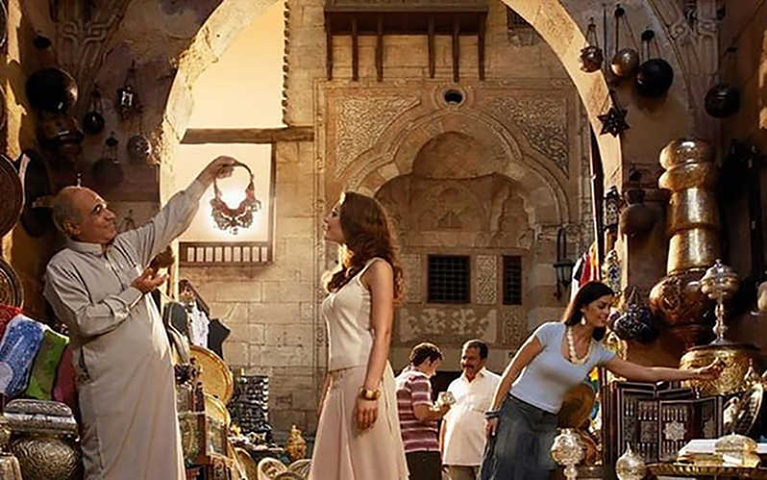
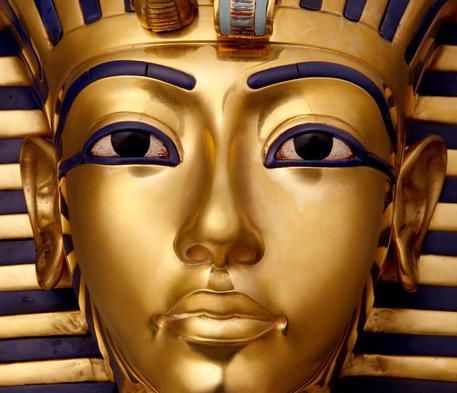
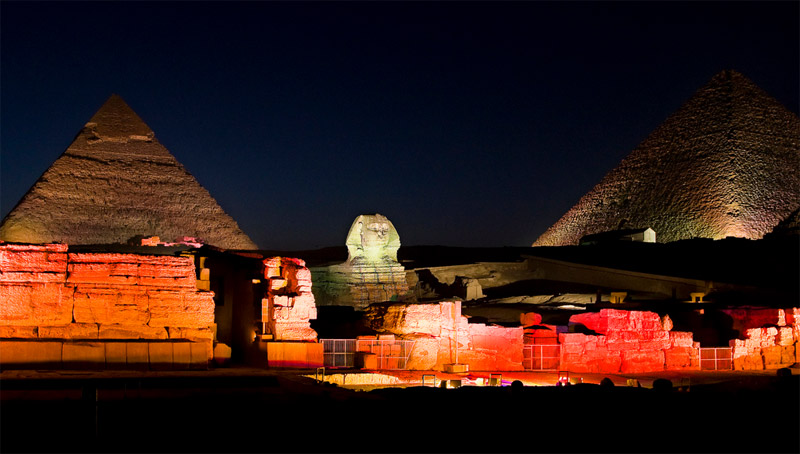
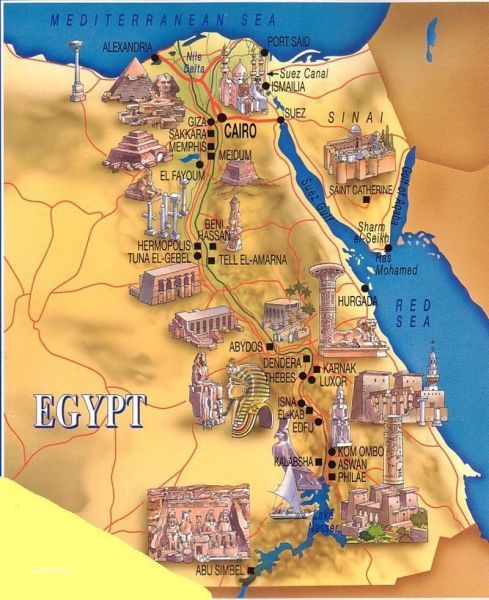
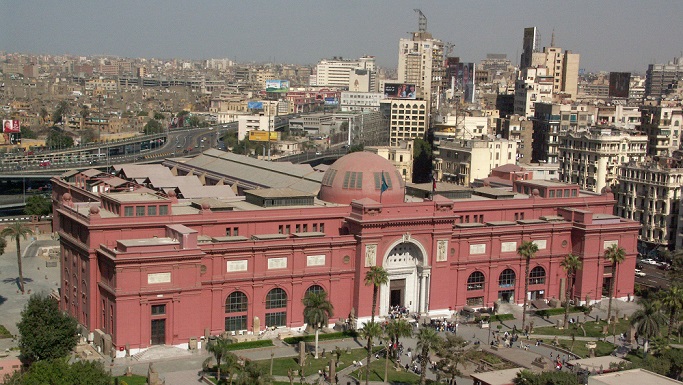
Opening a tourist map of Egypt means choosing where to begin when every point tells millennia of history. Cairo is the natural answer: here pharaonic past meets present in an experience that prepares you for everything else. The Pyramids of Giza dominate the horizon just kilometers from urban chaos - the Great Pyramid of Cheops with its 138 meters and 2.3 million blocks, the Sphinx gazing east for 4,500 years. The new Grand Egyptian Museum houses over 100,000 artifacts including Tutankhamun's entire collection. Islamic Cairo and Khan el-Khalili offer alleys where spices and merchants create the authentic atmosphere of Middle Eastern cities. Dedicate 2-3 days to the capital, visiting the Pyramids at dawn (opening 7:00 AM) to avoid crowds and heat. October-April is the ideal window with temperatures between 20-28°C. Avoid Fridays when many sites have reduced hours.

What to See in Egypt: The Giza Plateau Beyond the Iconic Three Pyramids

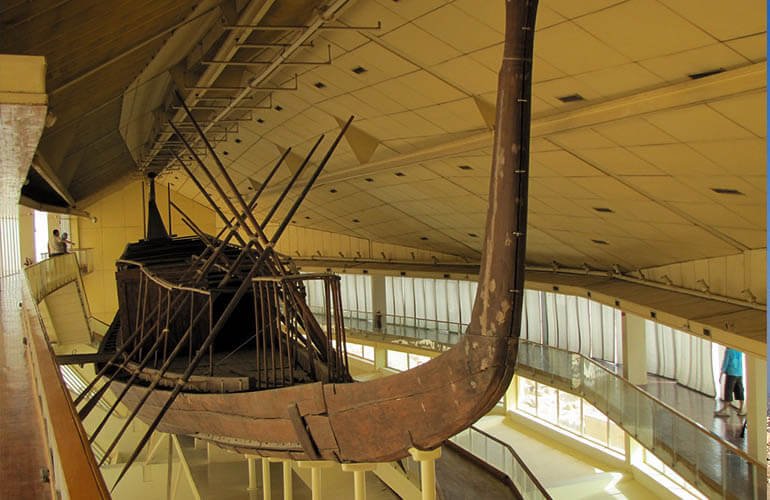
When searching for what to see in Egypt beyond Cheops, Chephren and Mycerinus, the Giza plateau reveals layers of often-ignored history. The six Queens' Pyramids - smaller but elegant structures dedicated to royal consorts - align beside the main pyramids. Chephren's Valley Temple showcases ancient engineering at its peak: red granite and alabaster blocks fitted without mortar, polished so perfectly that a blade cannot pass between joints. Hundreds of mastabas surround the pyramids - rectangular tombs of nobles, viziers and architects who served the pharaohs. The necropolis extends over 2,000 hectares where archaeologists still discover new chambers and passages. Since November 1, 2025, the Grand Egyptian Museum completes the experience: Cheops' solar boats in cedar wood - 43 meters of nautical perfection disassembled and buried 4,500 years ago - are now displayed in climate-controlled environments alongside thousands of treasures. A certified guide deciphers hieroglyphs and reveals how the ancients aligned pyramids to stars with millimetric precision using only geometry and celestial observation.

Article image

Luxor and Karnak: The Open-Air Museum on Upper Egypt's Map

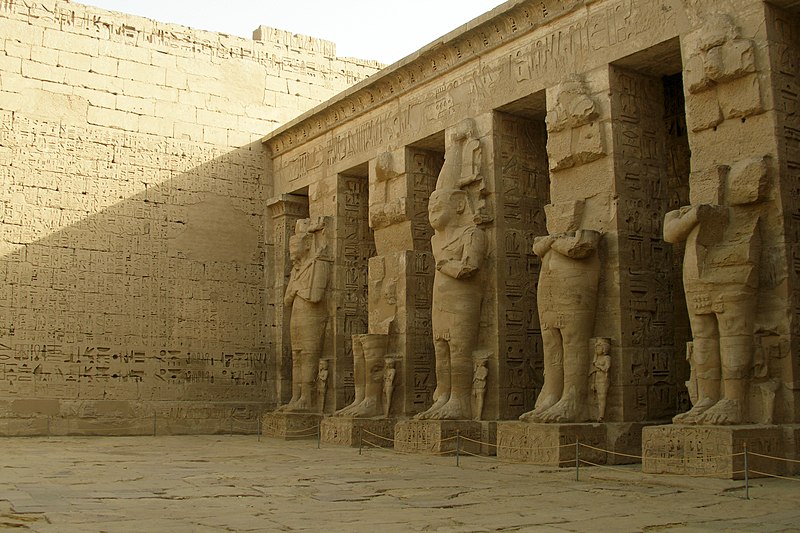
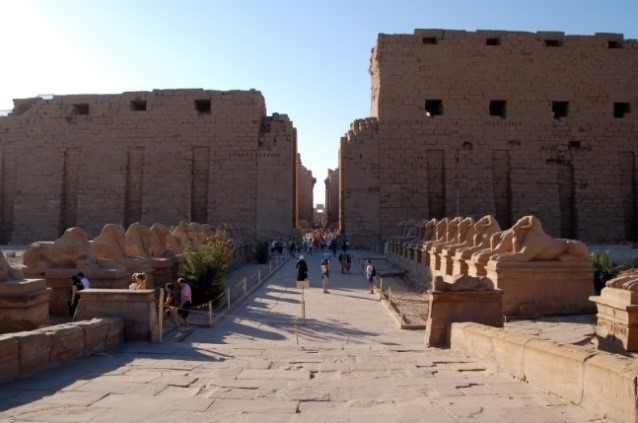
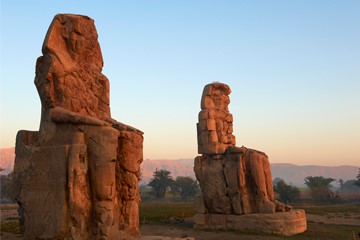
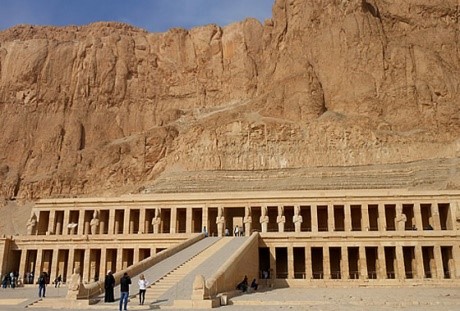
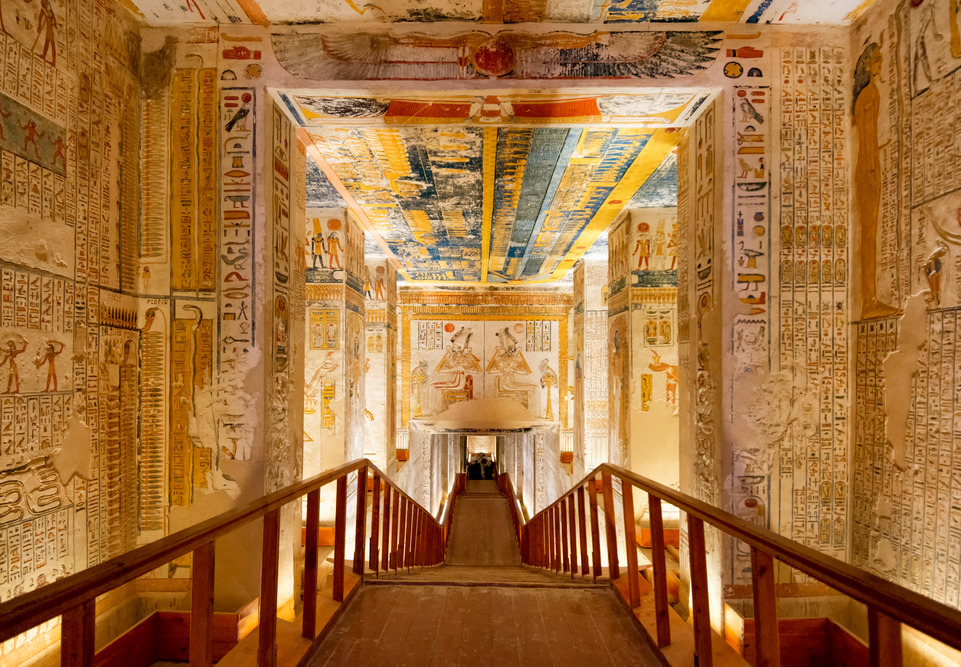
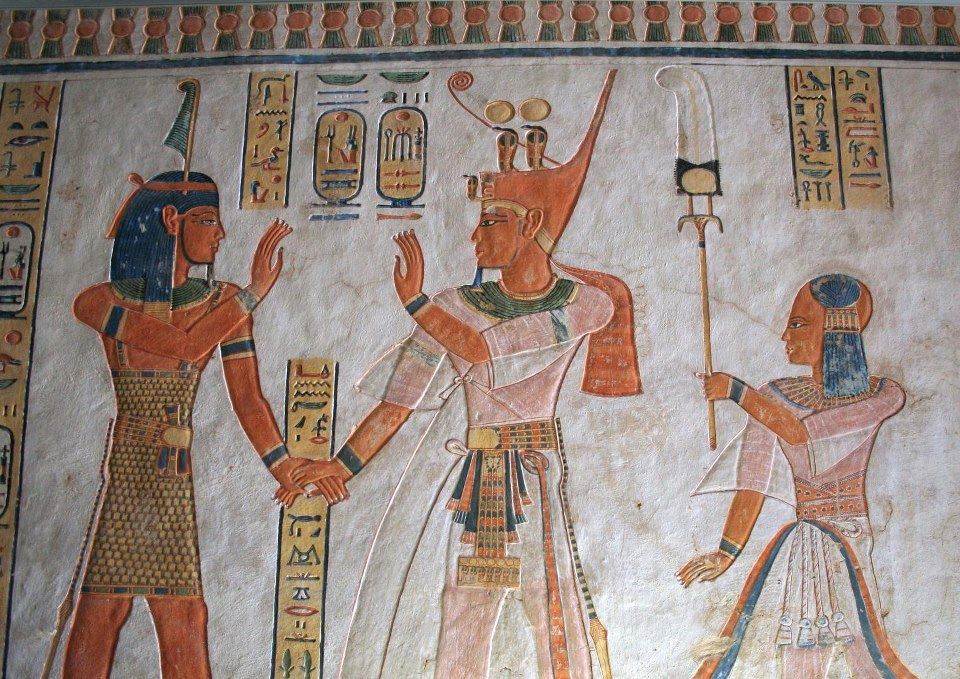
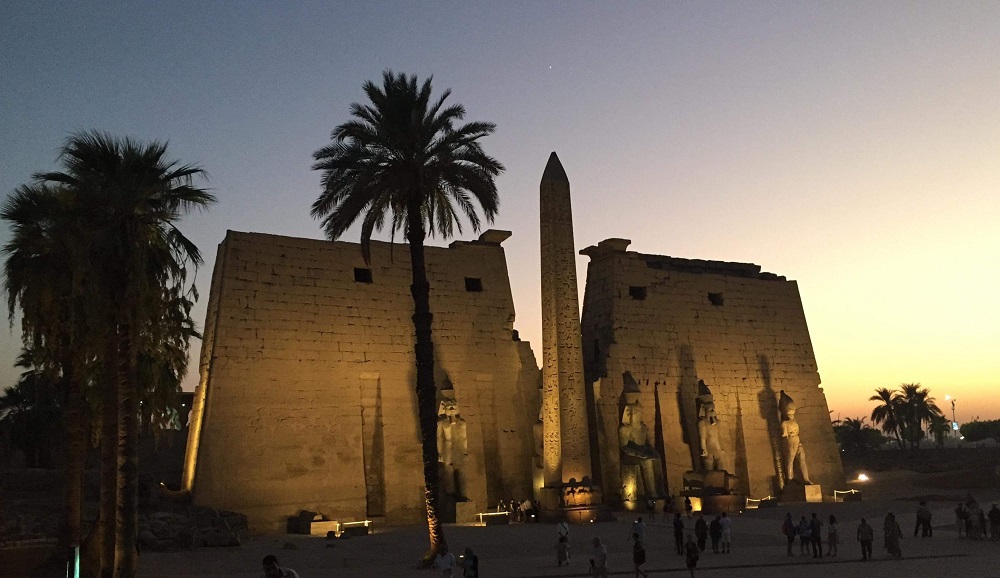
Luxor appears on Egypt's tourist map where the Nile curves through Upper Egypt - ancient Thebes, capital of the most powerful pharaohs. The Karnak Complex is a city of temples built over 1,500 years: 134 columns in the Hypostyle Hall, each 23 meters tall, obelisks soaring skyward, the Sacred Lake where priests purified themselves. To the south, Luxor Temple illuminates at evening creating magical atmosphere along the recently restored avenue of sphinxes. On the west bank, the Valley of the Kings guards 63 pharaonic tombs including Tutankhamun's (KV62). Hatshepsut's Temple integrates into the Deir el-Bahari cliffs with monumental terraces. Dedicate minimum 3 days to Luxor: one day for Karnak and Luxor Temple, one for Valley of the Kings and Hatshepsut, one for minor sites like the Ramesseum or Medinet Habu. Summer temperatures exceed 45°C - winter is the best season.

Article image

Ready to Experience This?

Our curated tours bring these destinations to life with expert guides

Contact Us

The Nile: The Blue Artery Connecting All Points on the Map

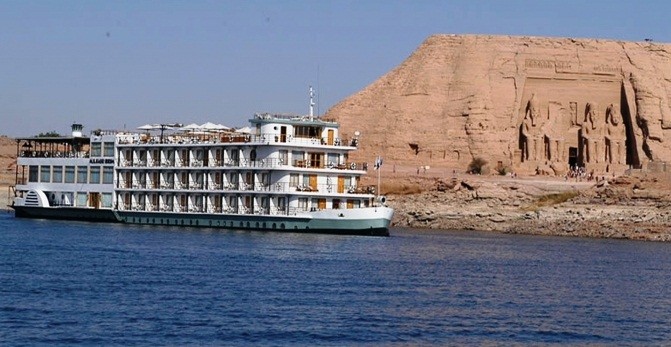
Trace the Nile's blue line on any Egypt tourist map and you're following the country's true soul. A Nile cruise isn't transportation but the essential Egyptian experience: sailing at dawn between palm-lined shores, farming villages unchanged for centuries, temples emerging from the banks. The classic Luxor-Aswan route (or reverse) lasts 3-4 nights covering about 200 km, stopping at Edfu and Kom Ombo. Modern cruises offer 5-star comfort with deck pools, panoramic restaurants, cabins with private balconies. Alternatives include dahabiyas, traditional sailing boats with 8-12 cabins for more intimate experience, or feluccas for adventurous travelers. Prices vary from €400 to €2,000+ per person depending on season and vessel. Book October-November or February-March for perfect climate. The cruise naturally connects the map's main points transforming transfers into memorable moments. Consult Nile Cruises in Egypt: A Complete Guide to Exploring the Allure of Luxor and Aswan for details.

Article image

Edfu and Kom Ombo: The Best-Preserved Temples on the Nile Route
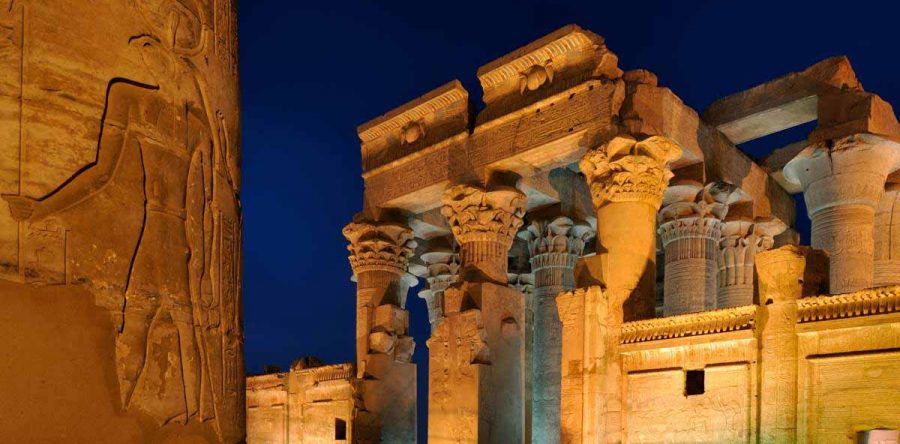
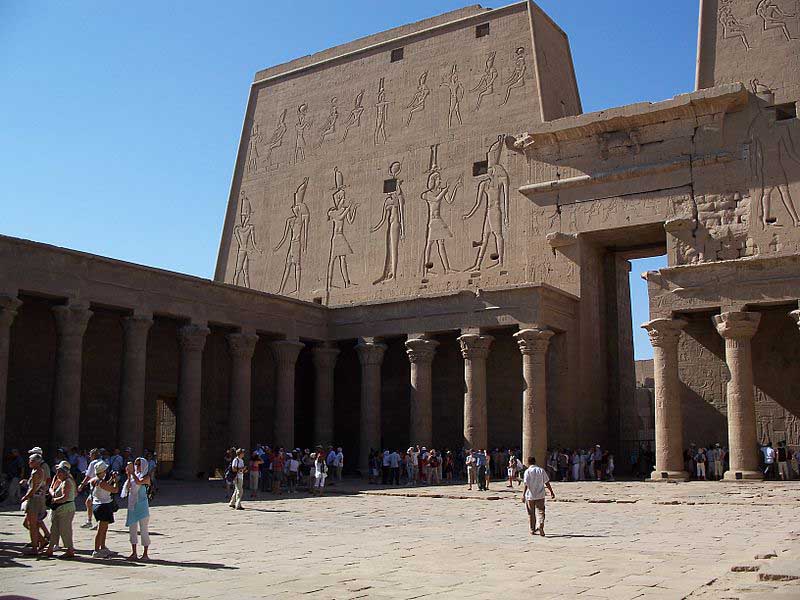
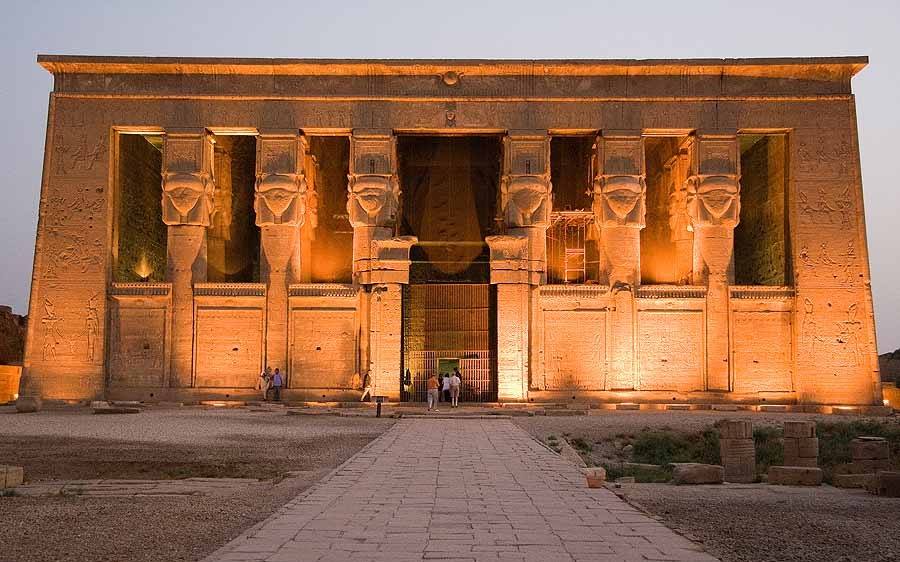
Sailing south from Luxor, your cruise stops at two architectural jewels. The Temple of Edfu, dedicated to falcon god Horus, is Egypt's second-largest and best-preserved temple - its 36-meter-tall pylons and inner chambers display crisp reliefs depicting the mythological battle between Horus and Seth. Built between 237-57 BC during the Ptolemaic period, it offers the most complete scheme of an ancient Egyptian temple. Further south, Kom Ombo Temple occupies a scenic position on a promontory overlooking the Nile bend. This unique sanctuary is divided perfectly in half: one side dedicated to Sobek the crocodile god, the other to Horus the Elder. The adjacent crocodile museum displays mummified sacred crocodiles found nearby. Visit at sunset when golden light illuminates reliefs showing ancient surgical instruments and astronomical calendars. Learn more in our article: The Temple of Kom Ombo: A Guide to the Unique Double Sanctuary on the Nile
Article image

Aswan and Abu Simbel: The Southern Border of Egypt's Tourist Map

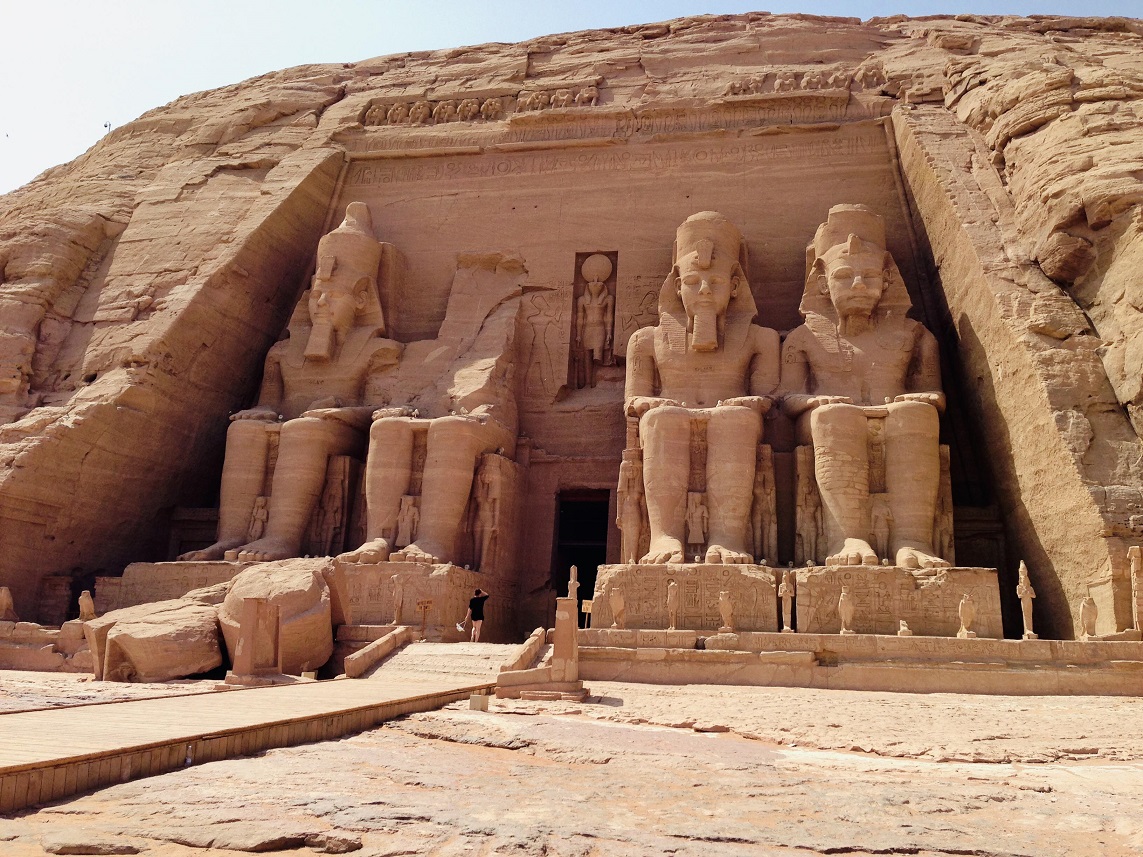
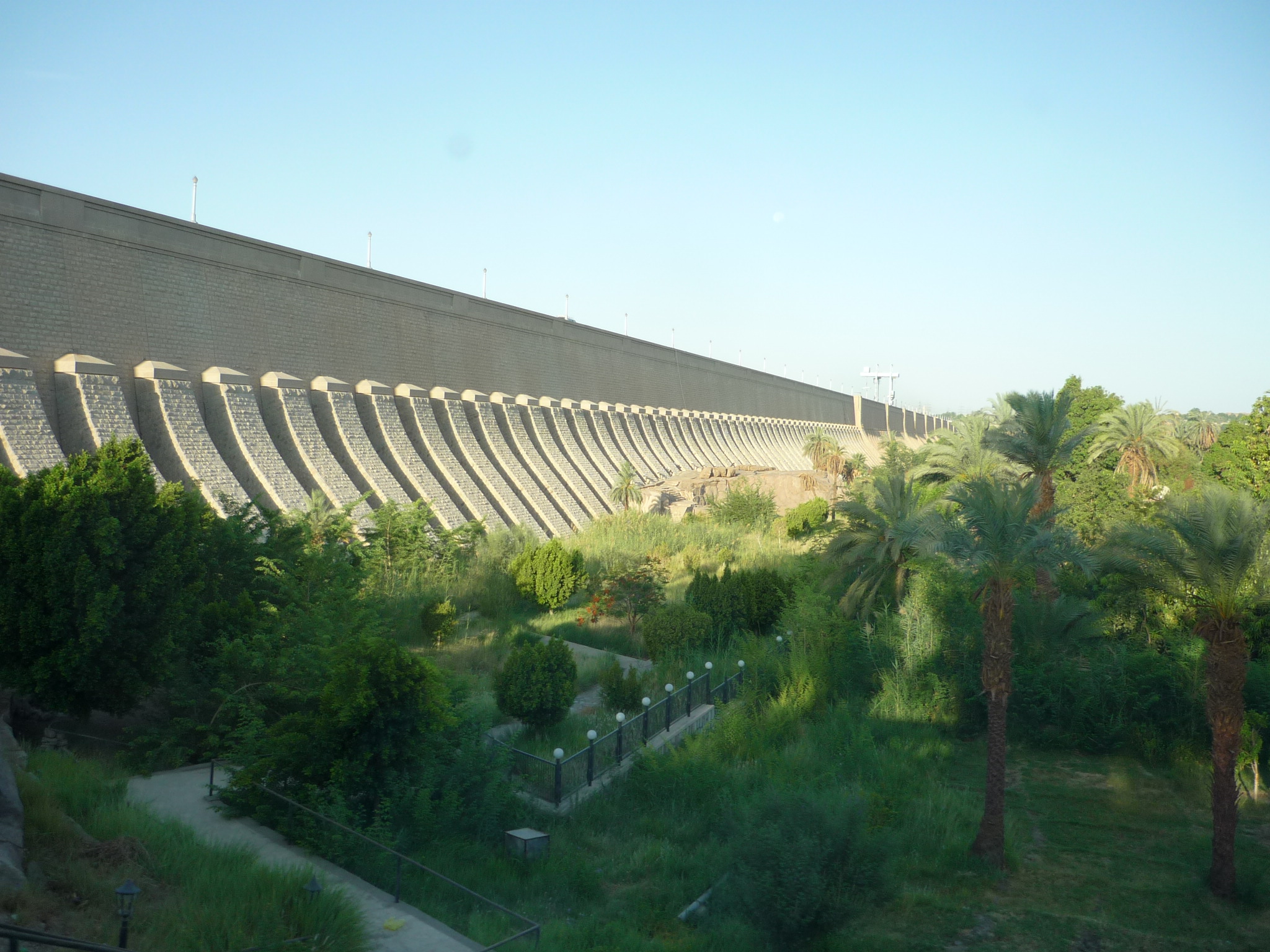
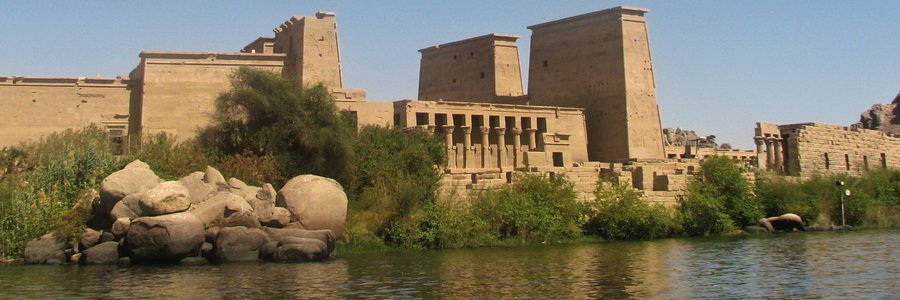
Aswan marks the southern frontier on Egypt's tourist map, where the Nile flows between granite islands and Nubian dunes. The city offers slower pace, colorful Nubian markets, Philae Temple on an island accessible only by boat, the monumental High Dam built in the 1960s. But the true crown jewel lies 280 km south: Abu Simbel. The four 20-meter-tall colossi of Ramses II carved into the mountain guard the Great Temple entrance - a power statement meant to impress Nubians arriving from the south. Twice yearly (February 22 and October 22) sun rays penetrate 65 meters inside illuminating the sanctuary with statues of deified Ramses. In the 1960s the entire complex was dismantled and repositioned 65 meters higher to save it from Lake Nasser's waters - a modern engineering feat worthy of the pharaohs. Reach Abu Simbel by flight from Aswan (50 minutes) or bus (3.5 hours). For personalized itineraries including these extraordinary sites, Bei-Go Egypt offers expert consultations.

Article image

Start Your Adventure

Let us create your perfect itinerary

Get Your Custom Itinerary

Building Your Perfect Itinerary: From Map to Real Journey

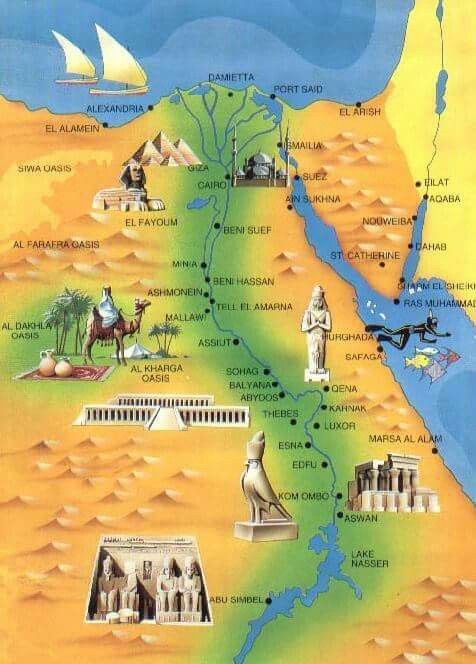
An Egypt tourist map shows distances and destinations, but transforming it into a memorable journey requires strategic planning. A 7-day tour covers essentials: 2 days Cairo, 3-4 days Luxor-Aswan cruise, 1 day Abu Simbel. A 10-14 day itinerary adds Alexandria, western desert oases, or Red Sea relaxation. Consider these factors: October-April offers ideal climate with high season December-February; avoid Ramadan when restaurants close during day and schedules change; book certified Egyptologist guides who transform ruins into living tales; calculate €100-150 daily for mid-high level travel including 4-5 star accommodations, meals, entries. Egyptian logistics can surprise: long distances, unpredictable traffic, sites closing without notice. Collaborating with specialized operators simplifies everything. Bei-Go Egypt designs custom itineraries managing transfers, expert guides, priority access - transforming your map into a seamless and unforgettable journey in the land of the pharaohs.

Article image

Frequently Asked Questions

What is the best time to visit Cairo Tower?

Evenings for the best views of Cairo's lights.