
Aswan High Dam: How Egypt Tamed the Nile and Rescued Ancient Wonders
A Monument of Engineering and History
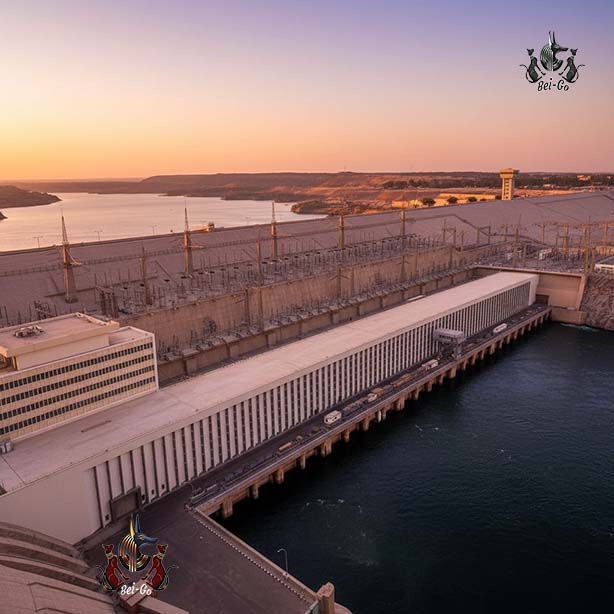
Rising majestically along the Nile River, the Aswan High Dam represents one of Egypt's most extraordinary modern achievements. Constructed during the 1960s, this colossal structure extends over 3,800 meters in length and soars more than 110 meters high, restraining the mighty waters of the Nile to form the renowned Lake Nasser. Beyond its fundamental functions of generating hydroelectric power and regulating seasonal floods, the dam symbolizes Egypt's determination and vision during a transformative period in the nation's history. It embodies a pivotal moment when Egypt harnessed its most vital natural resource to forge a modern economy while simultaneously orchestrating one of history's greatest archaeological rescue operations. For travelers exploring Egypt today, the Aswan High Dam offers compelling insights into how contemporary engineering brilliance intersects with ancient civilization, making it an essential destination for understanding the country's multifaceted identity. The dam's story encompasses international diplomacy, technological innovation, environmental transformation, and cultural preservation, creating a narrative that continues to resonate with visitors from around the world.
A Cold War Marvel
The Aswan High Dam's construction narrative is deeply intertwined with Cold War geopolitics, making it far more than an engineering project. In the mid-1950s, Egyptian President Gamal Abdel Nasser initially pursued financial support from the United States and United Kingdom for this ambitious undertaking. However, Western powers grew increasingly concerned about Nasser's non-aligned foreign policy stance and his efforts to establish Egypt as a regional leader independent of Western influence. His diplomatic recognition of Communist China and clandestine arms agreements with Soviet-backed Czechoslovakia proved particularly controversial. When the United States withdrew funding offers in 1956, Nasser responded dramatically by nationalizing the British and French-controlled Suez Canal, declaring that toll revenues would finance the dam construction. This bold nationalization precipitated the Suez Crisis, involving military intervention by Israel, Britain, and France. Seizing this diplomatic opportunity, the Soviet Union provided substantial financial backing and technical expertise, with construction commencing in 1960. The dam became a powerful symbol of Egypt's socialist transformation and its strategic alliance with the USSR, forever marking this engineering wonder as a monument to Cold War rivalry and Egyptian sovereignty.
An Engineering Masterpiece
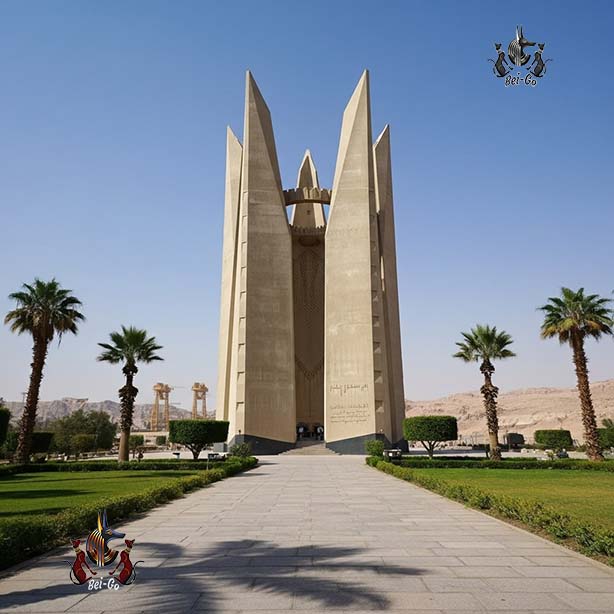
The Aswan High Dam's physical dimensions challenge comprehension and showcase remarkable engineering capabilities. The rock-fill structure reaches an imposing height of 111 meters, with a crest extending an extraordinary 3,830 meters and a base width of 980 meters. Engineers utilized approximately 44.3 million cubic meters of earth and rock in its construction—sufficient material to build seventeen Great Pyramids of Giza, one of humanity's Seven Wonders of the Ancient World. The dam's core consists of impermeable clay materials, ensuring structural stability against the enormous water pressure. This monumental construction created Lake Nasser, ranking among the world's largest artificial reservoirs, stretching nearly 500 kilometers in length with roughly thirty percent of its surface area extending into Sudan, where locals know it as Lake Nubia. The dam's twelve Francis turbines generate approximately ten billion kilowatt-hours annually, dramatically boosting Egypt's economy by providing substantial portions of the nation's electricity requirements and enabling rural electrification. Aswan's transformation from a traditional Nubian town into a modern city was largely facilitated by this engineering achievement, fundamentally altering the region's economic landscape.

The Dam's Dual Legacy
The Aswan High Dam's completion in 1970 brought unprecedented benefits alongside significant, often unforeseen environmental consequences. For the first time in recorded history, Egypt gained control over the Nile's annual flooding cycle, which had alternated between devastating inundations and catastrophic droughts for millennia. The dam enabled reclamation of over 100,000 acres of desert land for agricultural cultivation and facilitated multiple annual crop rotations on 800,000 additional acres, dramatically increasing food production. However, the reservoir traps an estimated 98 percent of the nutrient-rich sediment that previously fertilized Egyptian farmlands naturally, forcing farmers to apply approximately one million tons of artificial fertilizers annually as an inadequate substitute. The sediment retention has triggered serious downstream consequences. The Nile Delta, constructed over thousands of years through natural sediment deposition, now experiences significant coastal erosion as Mediterranean waves remove land faster than new material arrives. This erosion has caused saltwater intrusion into coastal freshwater aquifers, contaminating vital groundwater supplies. Additionally, altered water dynamics have produced negative ecological outcomes, including diminished fish populations in the Mediterranean, increased prevalence of schistosomiasis transmitted by snails thriving in irrigation canals, and more frequent harmful algal blooms throughout the system.

Saving Ancient Treasures
The creation of Lake Nasser necessitated confronting profound human and cultural costs that threatened Egypt's archaeological heritage. The rising reservoir waters required displacing approximately 90,000 Egyptian and Sudanese Nubians from ancestral homelands, submerging their villages beneath the expanding lake. Simultaneously, the project endangered numerous priceless ancient monuments. In an extraordinary international collaboration coordinated by UNESCO, massive archaeological emergency teams worked intensively for seven years to survey, document, excavate, and relocate thousands of threatened sites. Most famously, the colossal Abu Simbel temple complex, carved directly into cliffsides during the thirteenth century BCE, was meticulously dismantled into massive blocks and reassembled on higher ground in an unprecedented engineering and archaeological feat. Similarly, the exquisite Temple of Philae, dedicated to the goddess Isis, was relocated piece by piece to Agilkia Island, preserving its architectural magnificence. These painstaking preservation efforts, celebrated globally as triumphs of international cooperation and archaeological dedication, highlight the delicate balance between modernization progress and cultural heritage conservation. The rescued monuments now attract millions of visitors annually, ensuring that ancient Egyptian civilization continues inspiring future generations despite the transformative changes brought by the dam's construction.

A Travel Experience Beyond the Dam
Visiting the Aswan High Dam opens doors to broader exploration opportunities throughout the surrounding region. The massive Lake Nasser reservoir has evolved into a compelling tourist destination offering diverse activities and experiences. Travelers can enjoy luxury Nile cruises on Lake Nasser, with multi-day voyages aboard elegant vessels featuring comfortable accommodations and expert guides. These cruises provide access to relocated Nubian temples including Kalabsha, Wadi El Sebou, and Amada, which stand magnificently along the reservoir's shores. Fishing enthusiasts pursue the famous Nile perch, while nature lovers appreciate exceptional birdwatching opportunities as migratory species utilize the lake as a vital stopover point. The reservoir's tranquil waters create stunning photographic opportunities, especially during sunset when golden light illuminates the surrounding desert hills. Visitors can explore traditional Nubian villages relocated to higher ground, experiencing authentic cultural hospitality and learning about Nubian heritage, crafts, and cuisine. This combination of serene natural landscapes, archaeological wonders, and cultural immersion ensures that adventures around Aswan provide balanced experiences of discovery and relaxation. For travelers seeking seamless itineraries connecting these modern marvels with ancient history, partnering with experienced travel specialists like Bei-Go ensures expertly guided journeys that maximize every moment.

Planning Your Visit
The Aswan High Dam is conveniently located approximately thirteen kilometers south of Aswan city center and remains easily accessible via taxi, private vehicle, or organized tours. Security checkpoints along the access road are standard procedures given the dam's strategic national importance, so visitors should carry identification documents. The optimal visiting period occurs during Egypt's cooler winter months, from November through February, when daytime temperatures hover comfortably between 20 and 25 degrees Celsius. Entry fees remain remarkably affordable for international tourists, typically around 30 Egyptian pounds, though confirming current pricing before arrival is advisable as rates occasionally adjust. Photography is generally permitted throughout most viewing areas, allowing visitors to capture the dam's impressive scale and Lake Nasser's breathtaking vistas. Most visitors spend approximately one to two hours at the site, sufficient time to appreciate the observation platforms, learn about the dam's history through informational displays, and photograph the panoramic views. A visit to the Aswan High Dam constitutes an essential experience for anyone seeking to understand contemporary Egypt's complex relationship between ancient heritage and modern ambition. To ensure smooth travel logistics and gain deeper insights from knowledgeable guides, consider organizing your Egyptian adventure with trusted travel experts like Bei-Go, who provide comprehensive tourism support throughout your journey.
Frequently Asked Questions
What is the best time to visit the Aswan High Dam?
The optimal time to visit the Aswan High Dam is during Egypt's winter months from November through February, when daytime temperatures range comfortably between 20-25°C (68-77°F). During these months, the weather is pleasant for outdoor exploration, and you can combine your dam visit with other Aswan attractions like Abu Simbel and Lake Nasser cruises without experiencing the intense desert heat of summer months.
How much does it cost to visit the Aswan High Dam?
The entrance fee to the Aswan High Dam is very affordable, typically around 30 Egyptian pounds (approximately $1 USD) for international tourists. However, prices may vary and occasionally adjust, so it's recommended to confirm current rates before your visit. Most organized tours from Aswan include the dam entrance fee in their package price along with transportation and guide services.
Can you take a cruise on Lake Nasser?
Yes, Lake Nasser cruises are a popular and luxurious way to explore the region. Several cruise ships operate multi-day itineraries (typically 3-5 nights) between Aswan and Abu Simbel, visiting relocated Nubian temples including Kalabsha, Wadi El Sebou, and Amada along the way. These intimate cruises accommodate 40-80 passengers and offer a peaceful alternative to traditional Nile cruises, with opportunities for temple visits, birdwatching, fishing, and experiencing authentic Nubian culture.
Why were the Abu Simbel temples relocated?
The Abu Simbel temples were relocated to save them from being submerged by the rising waters of Lake Nasser created by the Aswan High Dam. Between 1964 and 1968, UNESCO coordinated an extraordinary international rescue operation where the entire temple complex was carefully dismantled into over 1,000 massive blocks, each weighing up to 30 tons, and reassembled 65 meters higher and 200 meters inland from their original location. This $40 million preservation project is considered one of the greatest achievements in archaeological conservation history.
What are the environmental impacts of the Aswan High Dam?
The Aswan High Dam has created both positive and negative environmental impacts. Positive effects include flood control, year-round irrigation enabling multiple crop harvests, and electricity generation for millions. However, negative impacts include trapping 98% of nutrient-rich sediments (forcing farmers to use artificial fertilizers), Nile Delta coastal erosion due to lack of sediment replenishment, saltwater intrusion into coastal aquifers, decreased Mediterranean fish populations, increased schistosomiasis prevalence in irrigation canals, and disruption of the river's natural ecosystem. The dam represents a classic example of the complex trade-offs between development and environmental conservation.